CEO Message
ENSO prioritizes protecting the environment and building a sustainable future. Through innovative technologies and eco-friendly solutions, we reduce carbon emissions, expand clean energy production, and strive for a world where people and nature coexist in harmony.
Our core technologies—flameless combustion, carbon-negative hydrogen production, and biochar production—not only address environmental challenges but also create new value. By turning waste into resources and producing hydrogen using carbon, we are realizing a circular economy and delivering practical solutions to climate change.
ENSO will continue to pursue balanced environmental and economic development through ongoing R&D and technological innovation. We will do our best so that our collective efforts help build a greener, cleaner planet.
Thank you.
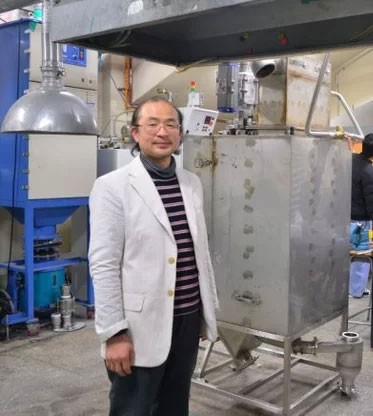
CEO, ENSO Inc.
Professor, Department of Mechanical Engineering, Kookmin University
Shin Donghoon
RAI-Flameless Combustion
🔥 Innovative Combustion Technology
Flameless combustion is an advanced technology that supplies energy by fully oxidizing fuel without a visible flame. This approach minimizes emissions and maximizes combustion efficiency, achieving both environmental protection and energy savings.
✨ Key Features
• Ultra-low NOx emissions: Significantly reduces nitrogen oxide emissions to improve air quality.
• High thermal efficiency: Minimizes energy loss through complete fuel combustion and efficient heat transfer.
• Enhanced safety: Uniform temperatures within the combustion chamber provide safe and stable operation.
• Wide applicability: Suitable for conventional fuels as well as ammonia, syngas, and hydrogen for industrial, power generation, and heating applications.
Cylindrical Flameless Combustion |
Swirl Flameless Combustion |
Flat Flameless Combustion |
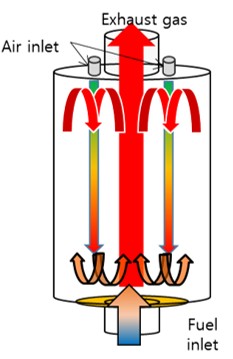 |
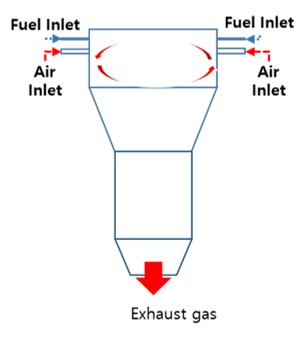 |
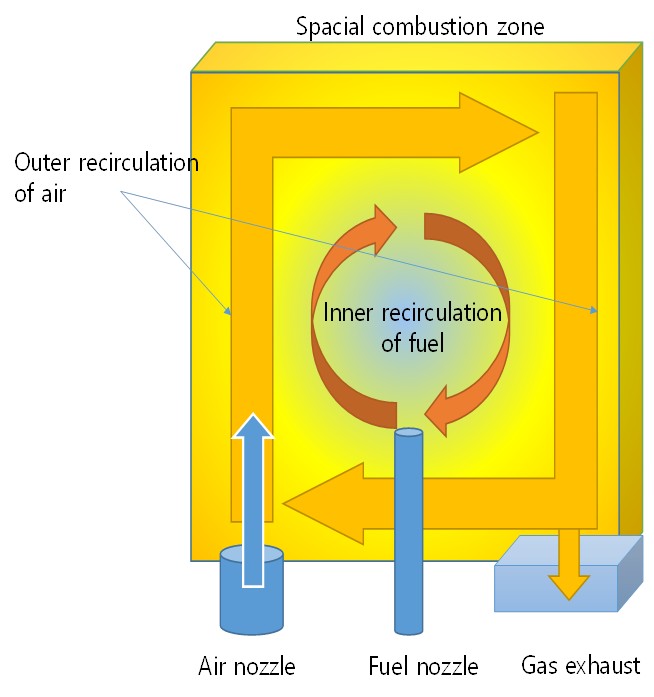 |
Flameless Radiant Plate
🔥 Innovative Radiant Heat Technology
Using flameless combustion, we provide high-temperature industrial radiant plates. This technology eliminates localized flame hot spots to minimize emissions such as NOx while maximizing combustion efficiency and delivering effective radiant heat.
✨ Key Features
• Ultra-low NOx emissions: Dramatically reduces pollutant emissions from industrial radiators to improve air quality.
• High thermal efficiency: Complete combustion, efficient heat transfer, and uniform temperatures minimize energy loss.
• Enhanced safety: Uniform combustion chamber temperatures improve equipment durability and enable safe operation across a wide range of conditions.
• Fuel flexibility: Compatible with conventional fuels as well as ammonia, syngas, and hydrogen.
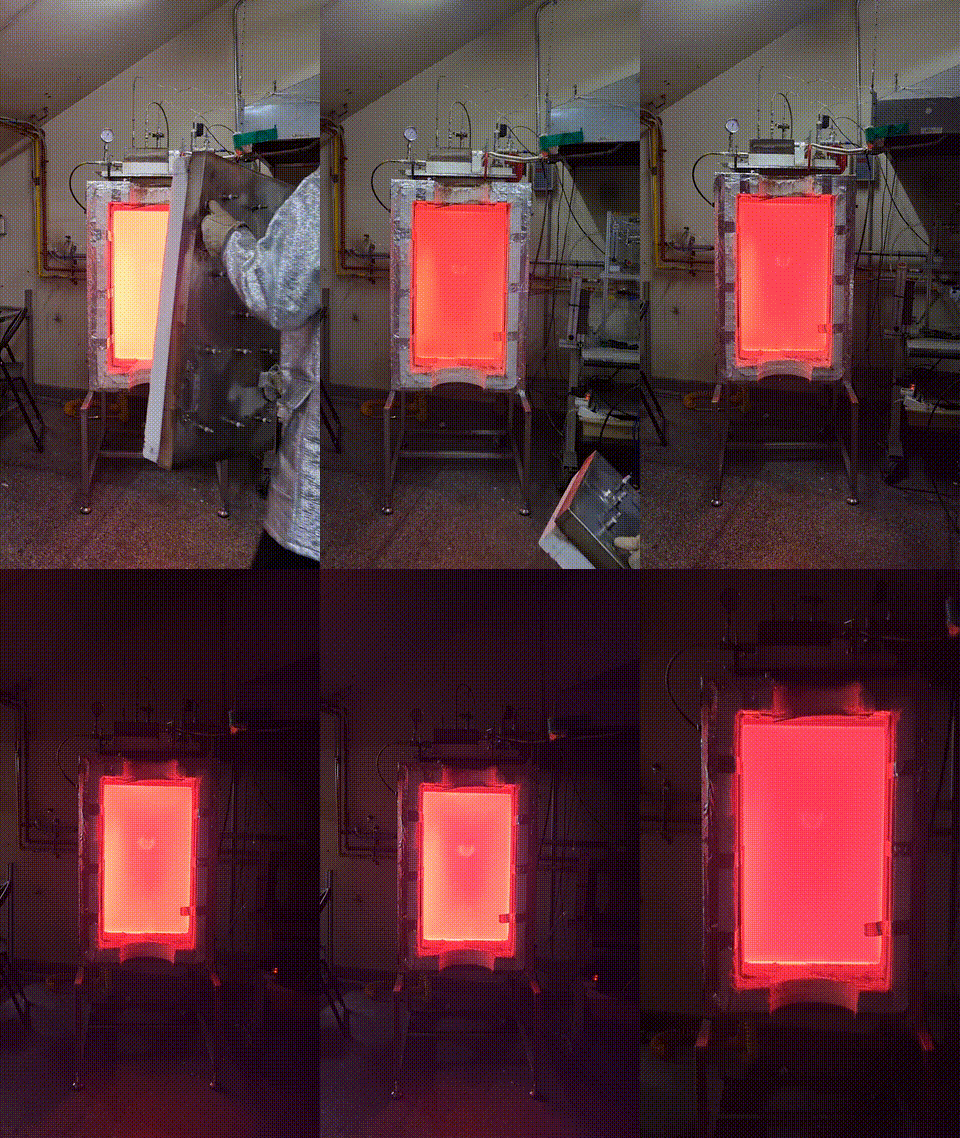 |
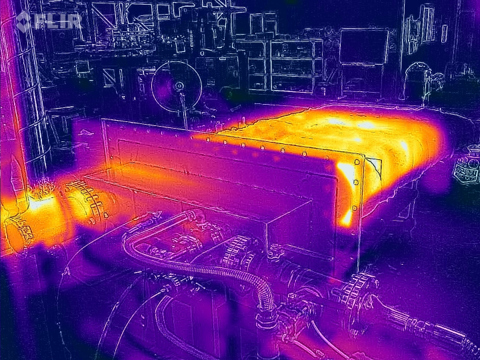 |
25 kW flameless radiant plate |
100 kW flameless radiant plate |
• Uniform temperature for high-efficiency heat dissipation, enhancing equipment durability and efficiency |
|
Biochar Oven
🌱 Carbon Sequestration Technology
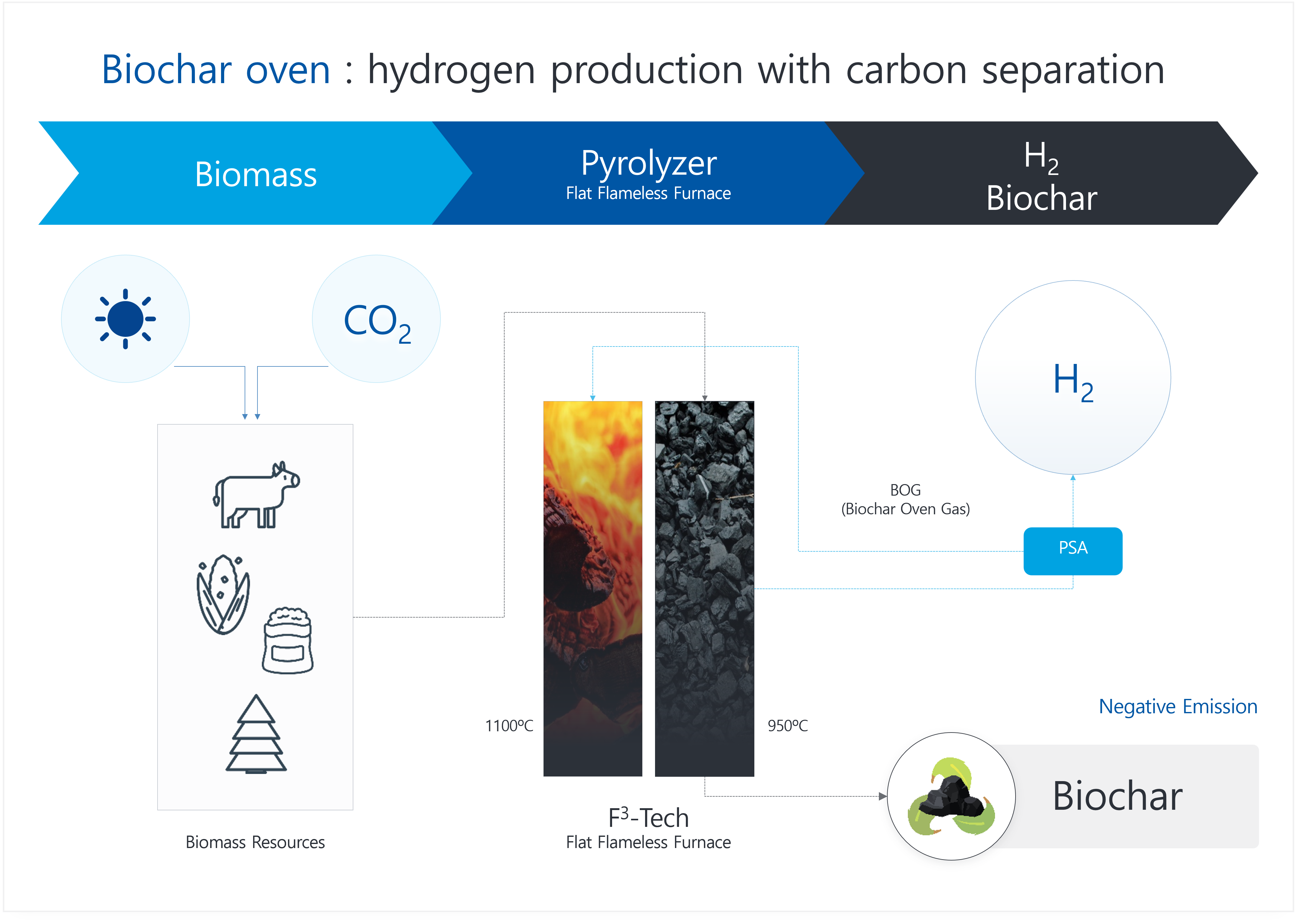
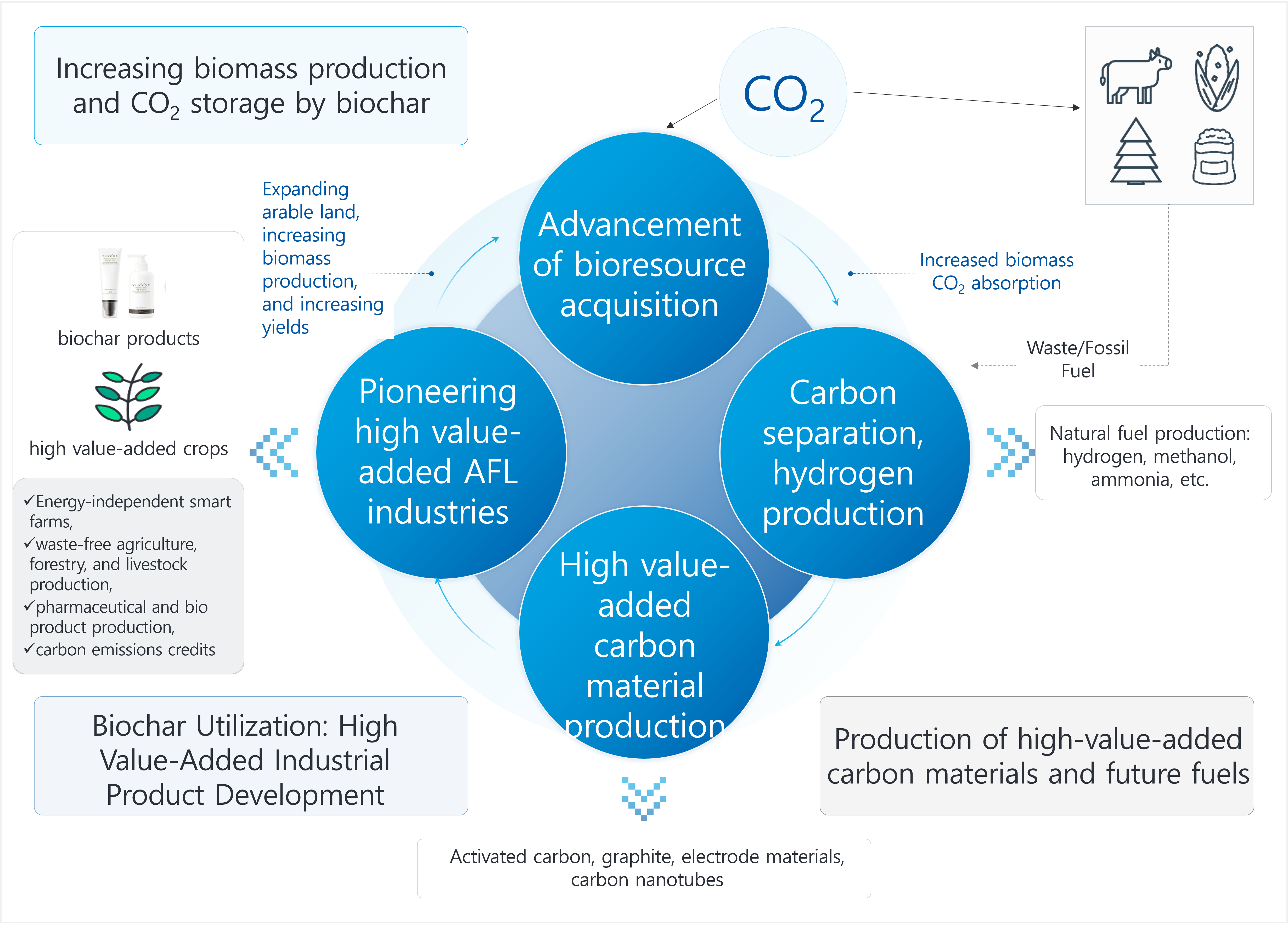
Our biochar oven thermally decomposes biomass such as agricultural residues and wood byproducts at high, uniform temperatures using our patented flameless combustion technology to produce biochar. The produced biochar can be used as a soil amendment and various industrial carbon materials, enabling carbon-neutral industrial activity and storing isolated carbon for centuries.
🌾 Multiple Applications
• Soil improvement: Enhances water retention, aeration, and nutrient holding capacity.
• Carbon sequestration: Stores atmospheric carbon in biochar form for long periods.
• Agricultural productivity: Increases crop yields and reduces chemical fertilizer use.
• Waste treatment: Converts agricultural, forestry, and even urban waste into valuable carbon-negative resources.
• Energy recovery: Recovers and utilizes heat and hydrogen produced during pyrolysis.
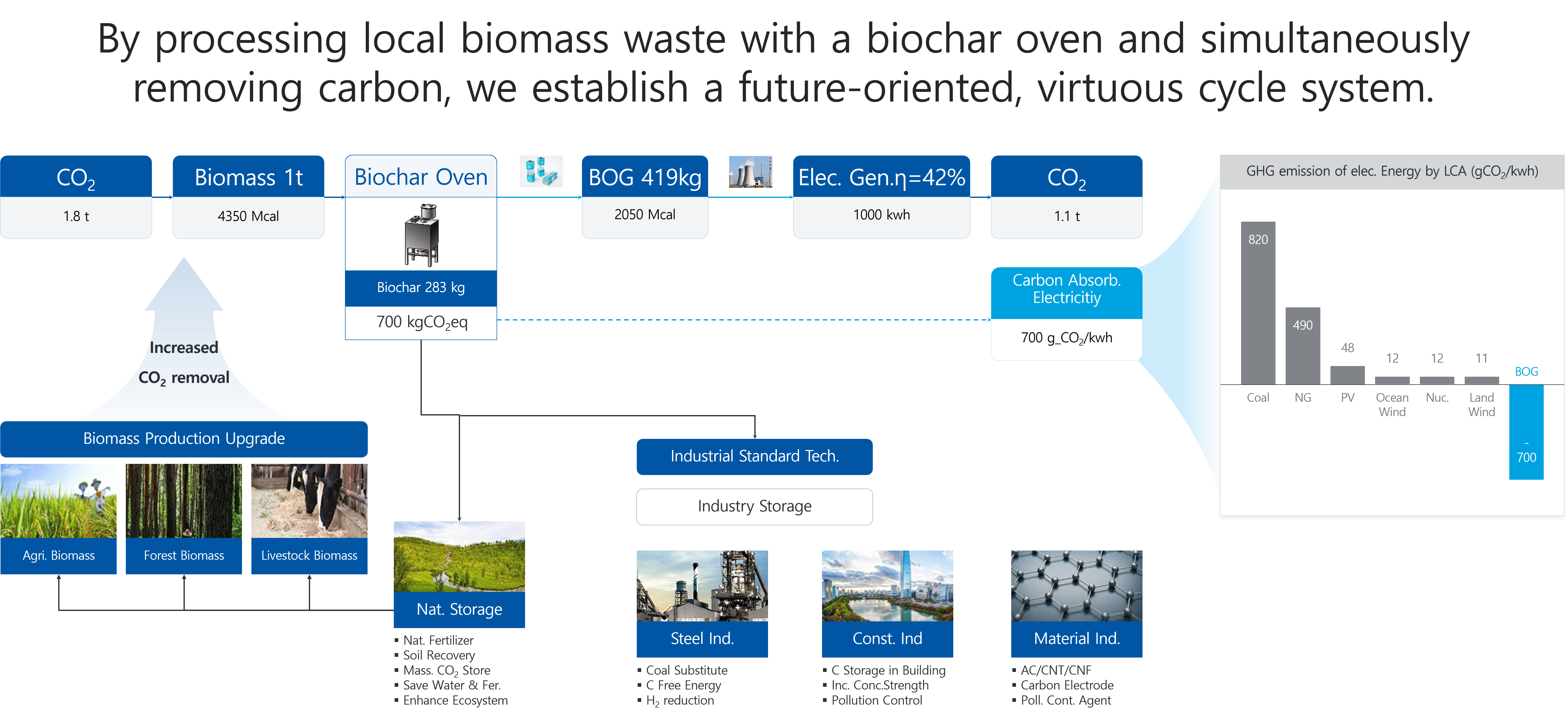
• Greenhouse gas removal: Power generation using biochar-oven gas can remove approximately 700 g CO2 per kWh.
 |
 |
 |
|
 |
|
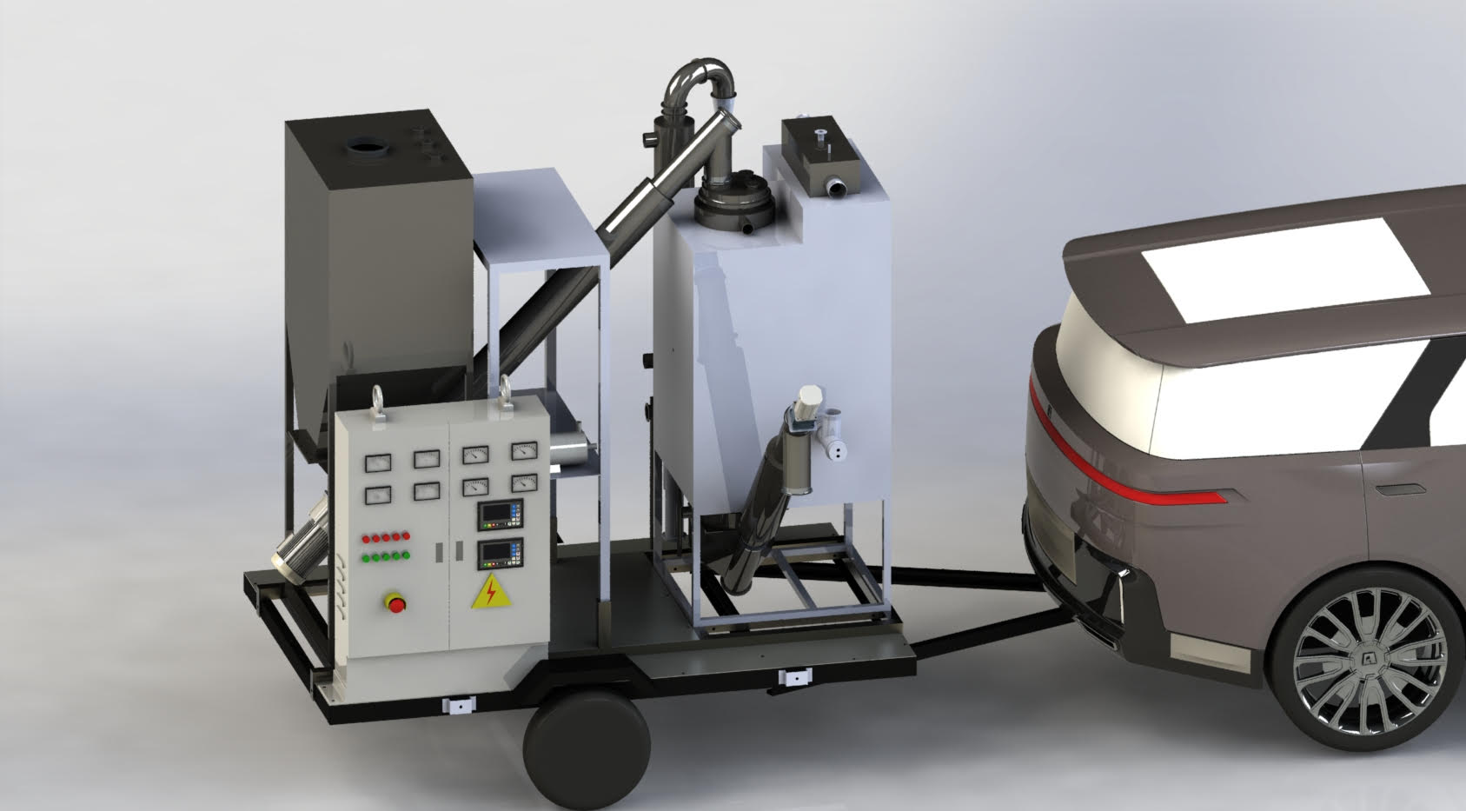
100 kW(1 t/d) Mobile Carbon-Negative System |
|
Carbon-Negative Hydrogen Production
💧 Clean Energy for the Future
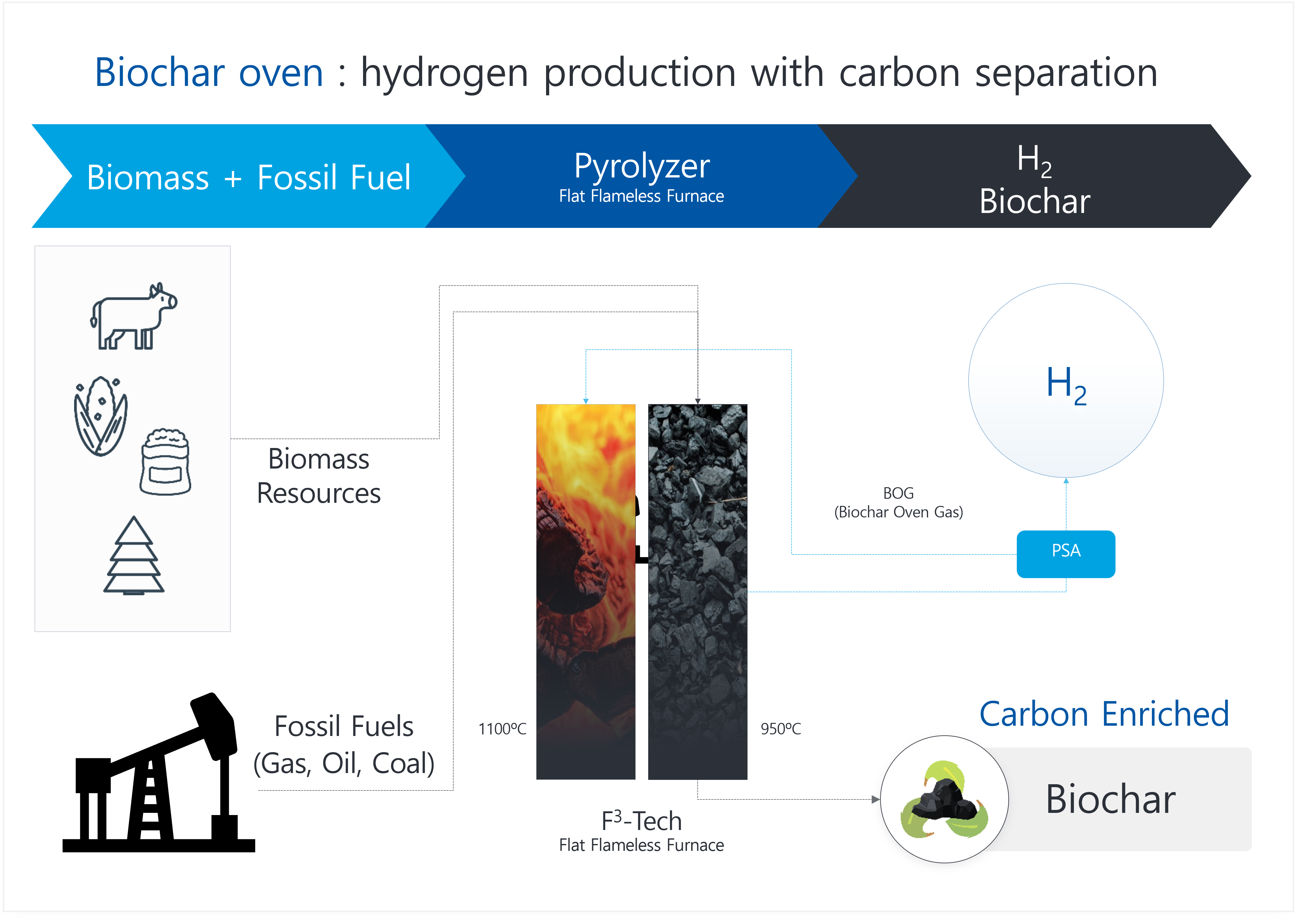
ENSO's carbon-negative hydrogen production technology is an innovative method that removes atmospheric carbon during hydrogen production. It uses biochar—produced in our biochar oven after absorbing greenhouse gases—as a catalyst to adsorb and separate carbon from fossil fuels while producing hydrogen. By maximizing the greenhouse gas storage capabilities of biochar and the carbon adsorption performance of the biochar oven, this process not only avoids emissions during hydrogen production from fossil fuels but actively removes carbon, contributing to economically viable carbon-neutral hydrogen production. Converting abundant fossil fuels to carbon-neutral hydrogen also enables stable and efficient energy supply.
🌍 Environmental value
• Carbon reduction: Removes carbon components from fuels by adsorbing them onto biochar during hydrogen production.
• Biomass utilization: Uses atmospheric carbon absorbed during biomass growth as feedstock for biochar, achieving resource recycling and carbon-negative production.
• Green industrial activation: The high-purity carbon separated and adsorbed onto biochar can be used in battery electrodes, activated carbon, graphite, and other materials without causing pollution.
• Economic feasibility: Produces carbon-neutral hydrogen from fossil fuels, delivering both environmental and economic benefits.
 |
 |
Carbon-negative hydrogen production principle |
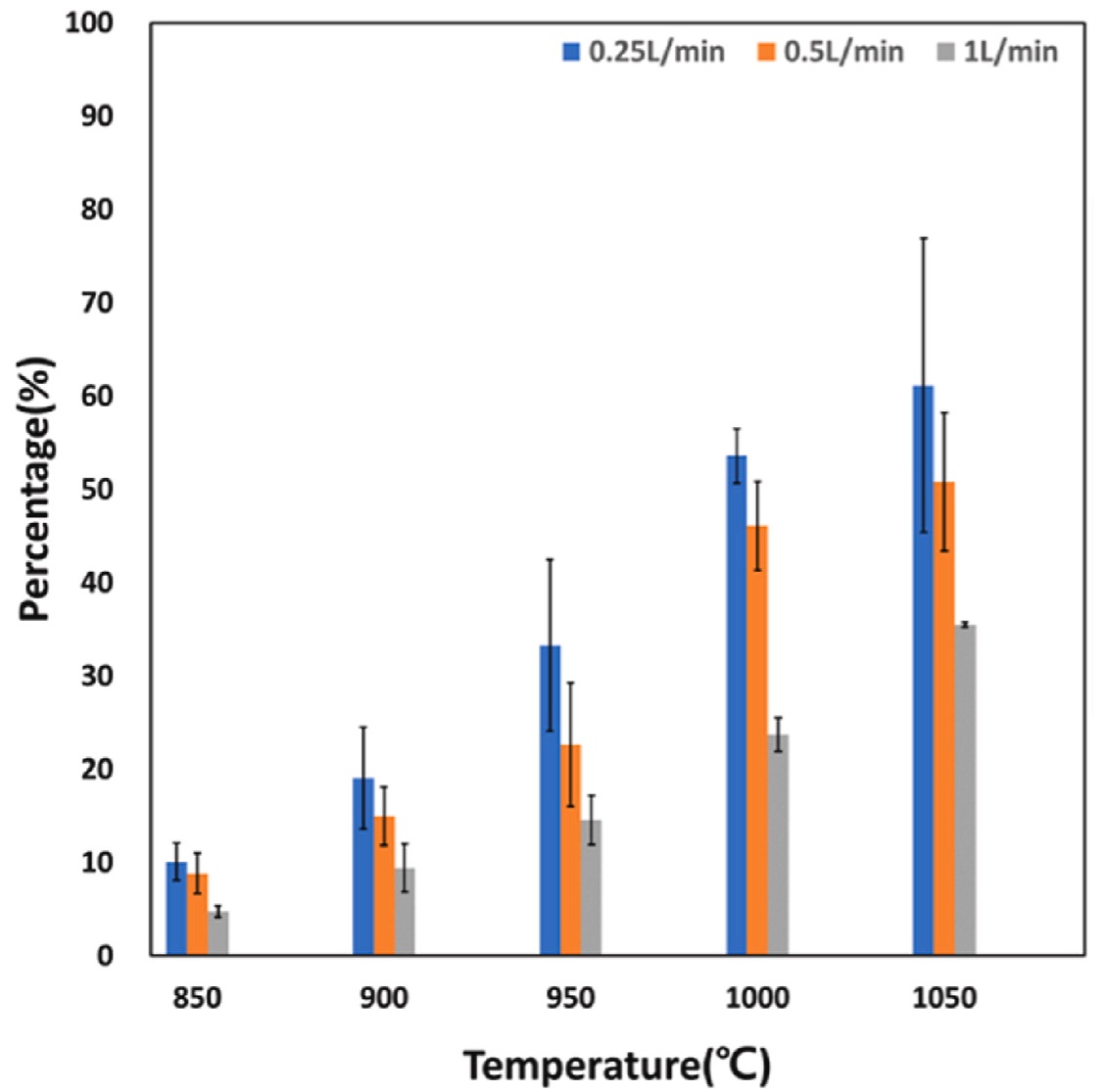
Carbon adsorption rate under operating conditions |
Contact
Company: ENSO Inc.
Email: d.shin@kookmin.ac.kr
Phone: +82-2-910-5168
Address: 201C-8, 169 Gaetbeol-ro, Yeonsu-gu, Incheon, South Korea
Research Lab: Room 117, Engineering Building, Kookmin University, 77 Jeongneung-ro, Seongbuk-gu, Seoul
We look forward to hearing from you as we build a sustainable future together.